
When Ministry Hits the Road: Protecting Your People from Vehicle Tragedies
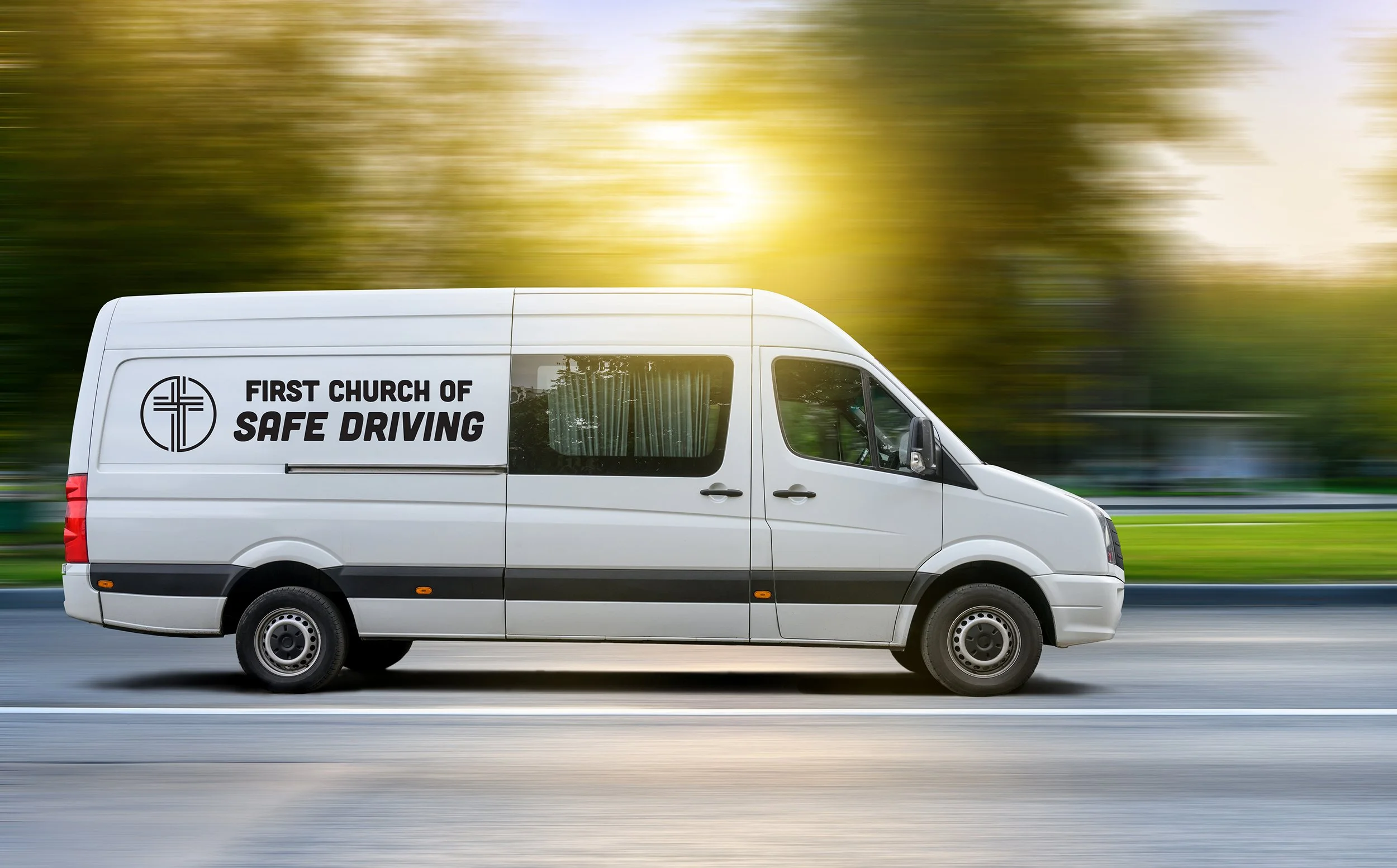
Who’s behind the wheel? And who’s checking the tires? Let’s close gaps in transportation safety.
When we think of risks at houses of worship, our minds can race to shootings, sexual abuse or arson.
But a threat that sits quietly in the parking lot may be more dangerous than all of those. Transportation, whether in an official church van or volunteers’ vehicles, is literally an accident waiting to happen.
Who’s driving?
The first line of defense is to make sure volunteer and staff drivers are trustworthy and trained. Trust – but verify – by performing a Motor Vehicle Record (MVR check) on each volunteer. This report pulls an individual’s state driving history, including traffic violations, accidents, license status, suspensions, and DUIs. Find the link for your state here.
Of course you’ll need to know how you’re going to respond to what you find. A driver does not need a 100% unblemished record to qualify (this would be nearly impossible to find!). An example of organizational standards could be:
No more than three moving violations or more than one chargeable accident during the past 36 months, AND
No major convictions (driving under the influence of alcohol or drugs, reckless driving, etc.) within the past seven years.

Your own driver policy
In addition to checking official records, each house of worship or nonprofit should establish its own criteria for volunteer drivers. These will need to align with the rules of your commercial vehicle insurer.
Your guidelines could include:
Requiring an interview with the volunteer, which should include disclosure of any health information related to driver safety
An age minimum (insurers usually require drivers to be at least 25)
A membership requirement (should the volunteer be a member of your house of worship?)
A criminal background check (in addition to the MVR)
An adult-to-minor ratio to prevent driver distractions (at least one adult for every 10 minors)
Formal parental consent for minors traveling in organizational vehicles or the vehicles of volunteers
Protocol for driving (or not driving) in inclement weather
An annual review of the driver’s performance
Some insurers provide an onboard monitoring app, which provides unbiased driving information to the sponsoring organization. Check to see if you have access to these tools.

Drivers’ code of conduct
In addition, a drivers’ code of conduct can set clear expectations for your organization and bring accountability. Require drivers to read and sign the code, which should specify:
A commitment to safe and lawful driving (obeying speed limits and traffic laws)
No cell phone use while driving
Wearing seatbelts
An understanding of emergency protocols in the event of an accident
Commitment to following maintenance guidelines and vehicle check-in, checkout policies.
Maintenance matters
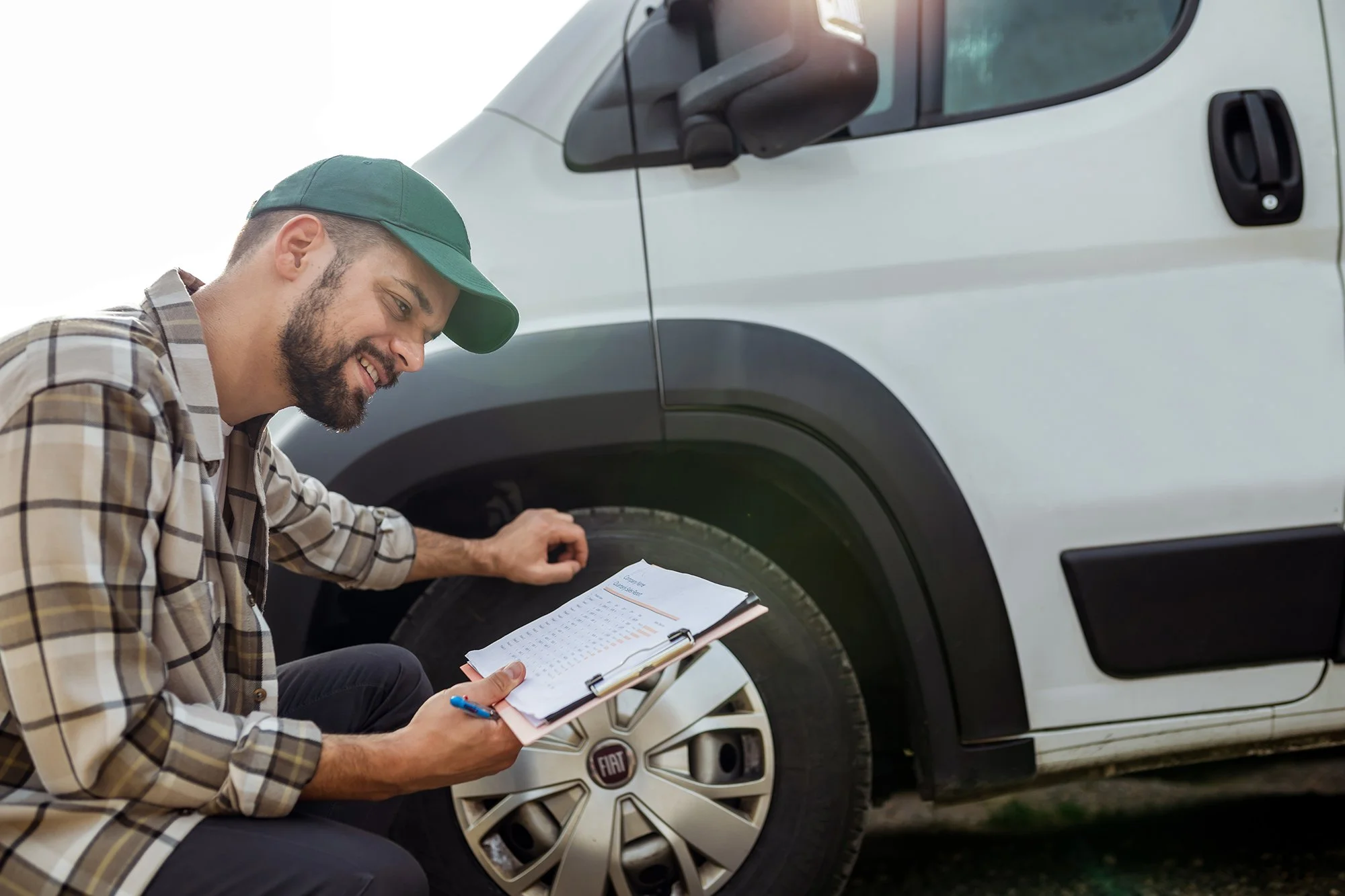
Even the most-skilled drivers can’t overcome faulty equipment. Tire blowouts and other mechanical failures have resulted in numerous tragedies on church and other youth trips. Before leaving, a vehicle should be inspected by a qualified staff member or volunteer, with a checklist guiding the process. There should be a checkout, check-in process for vehicles, which logs mileage, destination, fuel status and notes any maintenance issues.
Volunteers with aptitude and interest in vehicle maintenance can make an impactful contribution by using their skills to upkeep vehicles. A lack of ownership in a congregational vehicle can sometimes lead to neglect and resulting safety hazards (if it belongs to everyone, then it belongs to no one in particular). Designate a staff person, committee or volunteers to manage commercial vehicles and bring accountability to their use.

Training and licensing
All driving volunteers (and staff) need some level of training, even if it’s informal guidance about maintaining safety when children or teens are distracting. High-occupancy vehicles raise the standard for training and licensing. For example, 15-passenger vans and some other specialized vehicles require formal instruction usually mandated by your insurer. Numerous accidents have occurred in these vans, often due to a lack of maintenance or training.
Each state has its own rules, so be sure to check yours. California requires a Commercial Driver License (CDL) with a passenger endorsement for any driver operating a vehicle designed to carry 10 or more passengers (including the driver). Every state requires a CDL (with a passenger endorsement) to operate a 16-passenger vehicle.
The bottom line
While managing vehicles may seem like drudgery, attention to maintenance and drivers could result in saving lives and sparing a tragedy. On the positive side, it ensures safe travels, productive use of your vehicle and enhanced ministry and community opportunities.
“Sometimes when I consider what tremendous consequences come from little things, I am tempted to think there are no little things.” – Bruce Barton
Action Steps
More detailed recommendations on all aspects of managing volunteer and staff drivers and commercial vehicles are provided by Glatfelter Ministry Care.
If you’d like a free checkup on your organization’s commercial vehicle insurance, contact Ministry Pacific at 1.866.870.2700 or provide a little information in the form below and we’ll respond promptly.