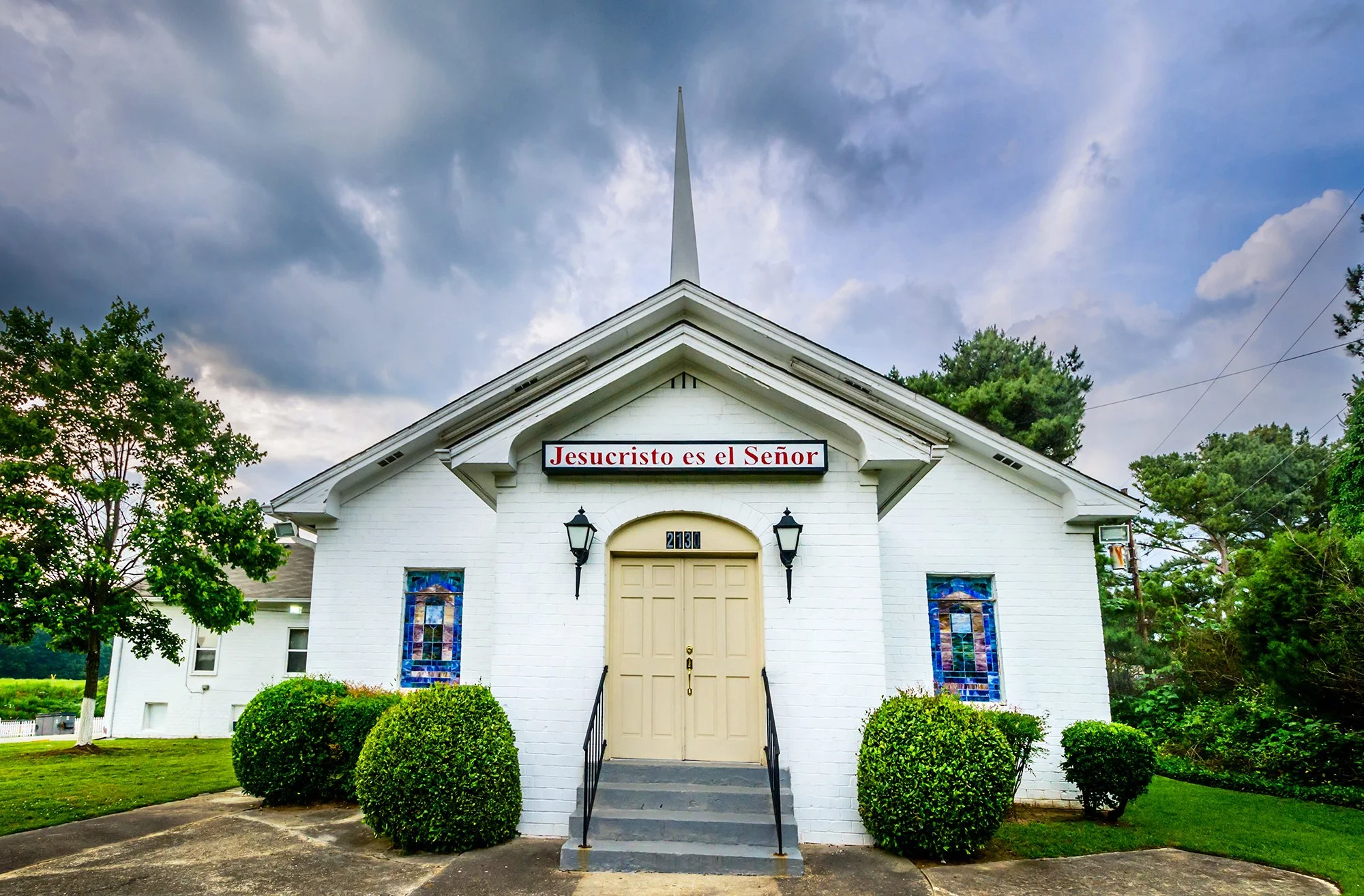

Should churches, ministries and houses of worship run like a business? The answer is yes … and no. Legally, all of these organizations are distinct, tax-exempt entities. They’re about cause, not cash. But they’re also required to adhere to labor, tax and local laws. And although no law requires a budget, operating without one can impair the mission. Mission-driven business practices help organizations gain the best of both worlds.
Read MoreMinistry leaders face critical HR pitfalls that can lead to legal and financial risks. This guide, from HR Ministry Solutions, covers 7 common mistakes churches make: worker misclassification, misapplying ministerial exceptions, improper pastoral compensation, outdated handbooks, inconsistent policies, poor record-keeping, and rushed hiring. Protect your organization with compliant HR practices that support your mission.
Read MoreMinistry Pacific's Hispanic Ministry Manager Gabriela Castillo discusses serving America's 40+ million Spanish speakers. The organization provides bilingual insurance resources, webinars, articles, and e-books to help Spanish-speaking churches and faith-based nonprofits navigate complex insurance terminology, secure proper coverage, and avoid unnecessary policies while building genuine client relationships.
Read MoreAt least one in four houses of worship is dangerously under-insured, with building valuations revealing a shocking 25% coverage gap. That means if disaster strikes, a quarter of your rebuild costs won't be covered. Outdated building valuations are like undetected diseases – everything seems fine until catastrophe hits. What can you do? Plenty.
Read MoreTurntable, a San Francisco faith-based nonprofit, provides transitional housing and case management for at-risk youth ages 16-25. Founded by Robynne Jeisman, the ministry offers safety, stability, and belonging while preventing human trafficking. More than shelter, Turntable helps young adults in crisis heal and develop into healthy individuals.
Read MoreTop nonprofit and church compliance errors to avoid: failing to incorporate under state law, missing annual corporate filing requirements, and not following bylaws. These mistakes lead to IRS penalties, administrative dissolution, and lawsuits. Protect your ministry by incorporating, filing state reports timely, and maintaining proper bylaws.
Read MoreThe most important step in reducing ministry risk? Acknowledging it. Most faith and nonprofit leaders fail to meaningfully recognize threats. Protect your ministry, worship house, or nonprofit by identifying top risks and taking action with a team approach. Crisis prevention safeguards all your programs and mission.
Read MoreIn this Q&A, security expert Vaughn Baker of Strategos International shares how houses of worship can protect congregations without compromising their mission. Key insights include the critical importance of proper training over hastily arming volunteers, starting security with parking lot teams, maintaining transparent yet calm communication, and developing written security plans that balance safety with welcoming, faith-based values.
Read MoreWhen we think of risks at houses of worship, our minds can race to shootings, sexual abuse or arson. But a threat that sits quietly in the parking lot may be more dangerous than all of those. Transportation, whether in an official church van or volunteers’ vehicles, is literally an accident waiting to happen. Houses of worship and nonprofits can greatly reduce vehicle-related tragedies by implementing strict driver screening, clear conduct policies, robust training, and consistent vehicle maintenance.
Read MoreOnly a Scrooge would worry about risks during the holidays, right? Actually, no. With more people on site and seasonal weather challenges, it’s in the spirit of the season to make sure guests and members are safe. Here are top tips to keep spirits bright and accidents few.
Read MoreWhile businesses have at least some flexibility in offsetting benefit costs by raising prices, nonprofit organizations have no such option. Yet employees need benefits and they’re a key factor in recruitment. So how can houses of worship and nonprofits obtain and afford benefits today? While there is no magical solution, there are many practical ideas that can help organizations get the benefits that are best for their needs. Download this free e-book, created in collaboration with David Ernstam, founder of Ernstam & Lewis Insurance Services.
Read MoreCalifornia SB 1454 removes an exemption for security personnel in houses of worship. This change, however, is targeted and limited. It applies to unarmed security employees of houses of worship. These unarmed employees must comply with registration and training mandates similar to those of colleagues who work in the private security industry. Learn more in our free e-book.
Read MoreMost commercial buildings, including houses of worship, are insured for less than their replacement cost. This creates a crisis when disaster strikes: not only is the facility destroyed, but insurance won't cover the full cost to rebuild. The problem occurs when insurance policies are filed away and never reviewed, while buildings undergo improvements, expansions, and repairs that aren't reflected in coverage amounts. The solution: Obtaining a professional valuation that surveys your property and contents, comparing them against your insurance policy. This process corrects omissions, fixes errors, and factors in current construction costs.
Read MoreThe biggest winter threat to your facility may be frozen pipes. It’s easy for this hazard to go unnoticed because there’s no smoke, no alarms and no warning. If we do the math, the cost and effort to prevent frozen pipes is significantly less than the price of picking up the pieces. It’s also a lot less messy.
Read MoreIn an era of increasing threats, houses of worship must prioritize security without compromising their core mission of providing comfort, refuge and a place of worship. In this video interview, Vaughn Baker, President of Strategos International, outlines best practices for establishing and enhancing security ministries for nonprofits and faith-based organizations.
Read MoreIn an era of rising threats to faith-based organizations, church security remains a sustained reality that demands proactive measures beyond fleeting news headlines. Recent tragedies such as the Annunciation Catholic School shooting and assaults on churches in Kentucky and Michigan highlight the need for nonprofits and ministries to develop security plans and protect their members.
Read MoreWhen it comes to discussing money, faith-based organizations often find themselves swinging between two extremes: constantly asking for donations out of desperation or rarely mentioning giving out of denial. There’s a better way. By adopting a consistent, conviction-driven strategy, houses of worship can engage both their leaders and members – bridging the need for resources with the desire among members to contribute to a cause greater than themselves. Learn more in this presentation and resources from Lauren Wright of Generis.
Read MoreReserve studies answer the question, “How much will I need and when will I need it?” Without a guide, churches and nonprofits are left to guesstimate. Delayed repairs can result in costly emergencies that could have been prevented. Most churches have not discovered the benefits of reserve studies, but our guest in this webinar is out to change that.
Read MoreSecurity is usually associated with escalation and confrontation – not peacemaking and de-escalation. But de-escalation tactics are every bit as important as more confrontational approaches. Churches, houses of worship and nonprofit organizations can enhance their security and defuse potential conflicts with de-escalation security training.
Read MoreThe demand for copper is making it a profitable commodity – so profitable that thieves see an opportunity to cash in. Air conditioners’ copper components make them prime targets. Churches and nonprofits are prime targets. Learn how to “Arrest Copper Theft.”
Read More