
Building maintenance: Prepare and prevent? Or repair and repent?
The most expensive repairs are the ones you didn't see coming. Here’s a proactive guide to facility care.
Although your organization is not synonymous with your building, it’s hard to imagine life without one. Our identities are tied to our facilities, for reasons both practical and historical.
It’s where our community’s life takes place. Whether you lead a food bank, a house of worship or a preschool, places impact people.
It’s easy to take our buildings for granted – imagining they’ll always stand firm like the Rock of Gibraltar. But even that giant limestone dome undergoes continual wear and tear.
Since May is international Building Safety Month, there’s no better time to focus on repairing, maintaining and protecting what’s been entrusted to your care. But there’s another layer: You’re not merely managing buildings – you’re preserving ministry and causes. Whether you operate a women’s shelter, a religious school or a church, building emergencies will disrupt the good you’re doing.
True, some crises can’t be avoided (a hailstorm can’t be scheduled). But denial and procrastination are optional.
While maintaining a building and property can seem daunting, the good news is that focusing on a few things can yield big benefits.

Don’t keep the roof aloof
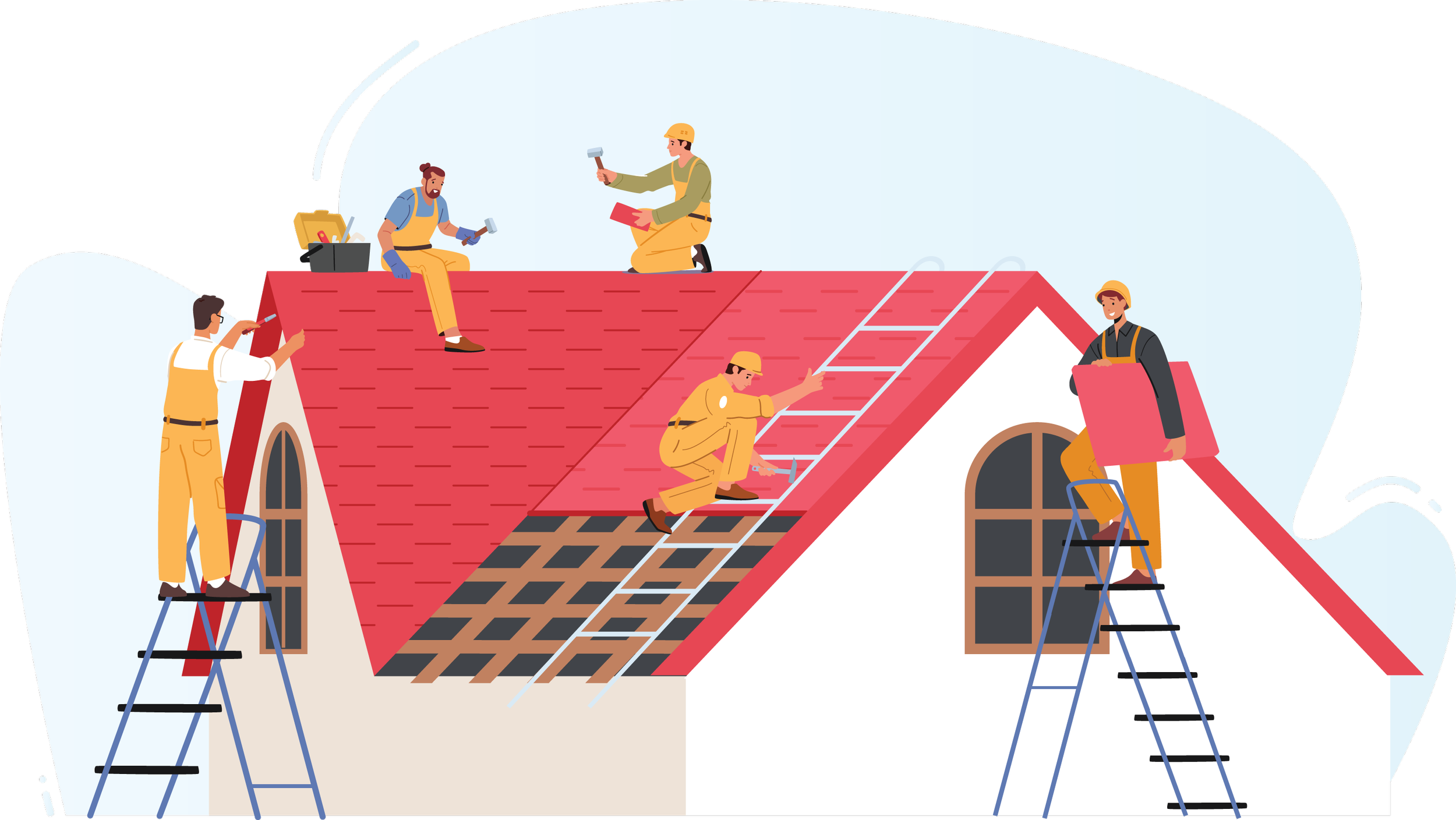
Roofs are one of the most common sources of major losses in houses of worship and commercial buildings. They can be out of sight, and therefore out of mind. Wind damage combined with rain can lead to water intrusion, mold, and extensive interior damage.
Organizations should know their roof's age, condition and replacement timeline. This requires inspections. However, it’s unwise for lay people to scramble up high ladders and stagger around on a steep roof. Instead, have professionals conduct annual inspections (more frequently if you suspect damage). In addition to safety issues, there can be more than meets the untrained eye when it comes to roof damage. A professional can identify weaknesses a lay person may overlook.

Water runs downhill
Leaking windows, foundations, thresholds and pipes can wreak havoc on a building. A slow leak that runs undiscovered for a few days is a quiet wrecking crew. Yet an ounce of prevention through regular plumbing and structural inspections is worth thousands of gallons of cure.
Electrical systems: Sparking damage
Older buildings often have unmaintained electrical systems with hazards such as loose connections, arcing and dated equipment. Regular inspections and maintenance are essential to prevent fires.

Security protects property
If you’re investing in your facility, you want to protect it from vandals, thieves and arsonists. But your building does not require the same level of security as the Pentagon. Something is better than nothing. Start with comprehensive lighting to eliminate dark hideouts on your property. If your parking lot is not gated, this can also be an economical first step (anything that makes crime less convenient for criminals is a deterrent). Alarm systems should also be researched, but you don’t need Fort Knox-level protection to make a difference.
Money matters
Just as in home improvement, institutional maintenance doesn’t come free. Responding to crises is always more expensive (and chaotic) than preventative fixes. Some studies show that every $1 spent on proactive maintenance can save up to $5 in future repairs and energy use.
If your facility is worth keeping, then it’s worth budgeting for. This requires a deliberate setting aside of funds for repairs, even when the building is not metaphorically “on fire.” It takes discipline to put money in the maintenance account when the building isn’t falling down. But the bills are coming. Wouldn’t it be nice to have the money to pay them? Budgeting can be as simple as writing out educated guesses on a notepad or as complex as hiring a reserve study consultant to get a professional plan. A basic plan is better than no plan.
Although checking plumbing seals and sealing cracks may not seem life-changing, this humble work undergirds every difference-making organization.
“Prepare and prevent, don't repair and repent.” – Anonymous