
Three lies nonprofits tell themselves about emergency planning
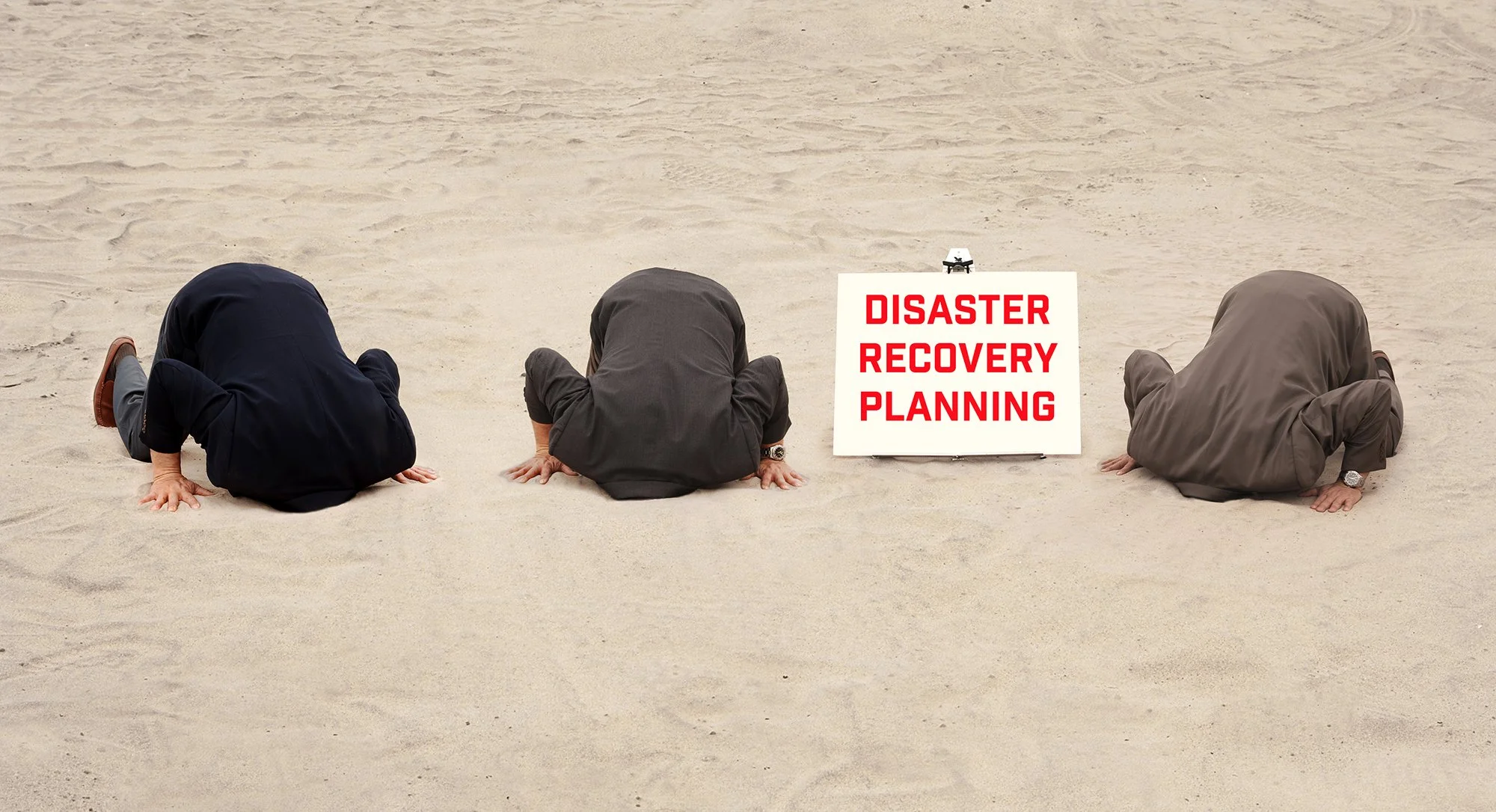
Don’t let these misbeliefs keep you from starting where you are and taking steps to protect your organization from likely threats.
The problem with planning for emergencies is that they’re so unpredictable.
If we knew a tornado, flood or earthquake was going to hit in six months, our motivation would spike. Things would get done.
But since we don’t know when – or if – an organizational tragedy will occur, it’s easy to sit on our hands. After all, there are real – not hypothetical – things that need to be done right now. Maybe we can sort it all out someday when our schedule slows down.
It’s easy to convince ourselves of this. After all, there is a sense of rationality to our position. And yet …
“Planning is an unnatural process; it is much more fun to do something [else]. And the nicest thing about not planning is that failure comes as a complete surprise rather than being proceeded by a period of worry and depression.” – Sir John Harvey-Jones
But the fallout will still come.
“The only thing harder than planning for an emergency is explaining why you didn’t.”
Self-talk that stops action
Psychologists have identified several aversions to our willingness to confront unpleasant scenarios. These include:
Normalcy Bias
This misbelief assumes things will always function as they do now. It often manifests itself in statements such as, “It can’t happen here.”Strategic Productive Procrastination
By remaining incredibly busy with everyday tasks, we create the illusion of productivity while perpetually postponing things we don’t want to face.Counter-Defensive Denial
We reframe a refusal to plan and prepare as “remaining positive” or exhibiting “faith over fear.”
Overcoming these dispositions does not require us to become doomsday conspiracists or cynics. Instead, it may mean admitting to a tendency toward knee-jerk rejection of all emergency planning discussions.
In addition, houses of worship and nonprofit organizations often have lean resources. Asking pastors or directors to take on another responsibility may be unreasonable – particularly if it’s something for which they have no training or aptitude. A disaster planning task force, advised by a staff member, could be an ideal project for lay people, volunteers and donors.

The myth of perfection
Beyond these coping mechanisms is the myth that we can do nothing unless and until we have a perfect solution. There is no such thing. Every disaster plan will be tested and some part of it will fail. That doesn’t mean it’s better to have no plan.
At the risk of sounding self-serving, insurance is a major part of an emergency response. Consider a few of the crises houses of nonprofits may face. Physical threats to property include:
Wildfires
Tornadoes/hurricanes/storms
Arson and vandalism
In addition, the loss of a facility based on any of these threats can lead to financial instability that compromises funding for daily operations.
Legal and organizational threats include:
Embezzlement
Cyber attacks
Employment-based litigation
Lawsuits over freedom of religious expression
Lawsuits over sexual misconduct
Slip-and-fall litigation
These risks differ in many ways. But the common thread is that all can be covered by insurance. This does not mean insurance is the complete or only solution. Yet it’s certainly a key component.
Good planners are informed consumers
The idea that safety is found in merely having insurance (any policy or the cheapest one) is a misunderstanding.
Take property insurance. If your policy will yield enough to pay for 70 percent of reconstruction costs, you’re still going to have to find 30 percent of the budget. That’s a crisis tacked onto a crisis – but one that was totally avoidable.
Whether it’s property insurance or liability coverage, invest time in understanding your policy and if it’s right for your organization’s needs. This may be yet another opportunity for a financially- or legal-savvy volunteer.
Beyond insurance
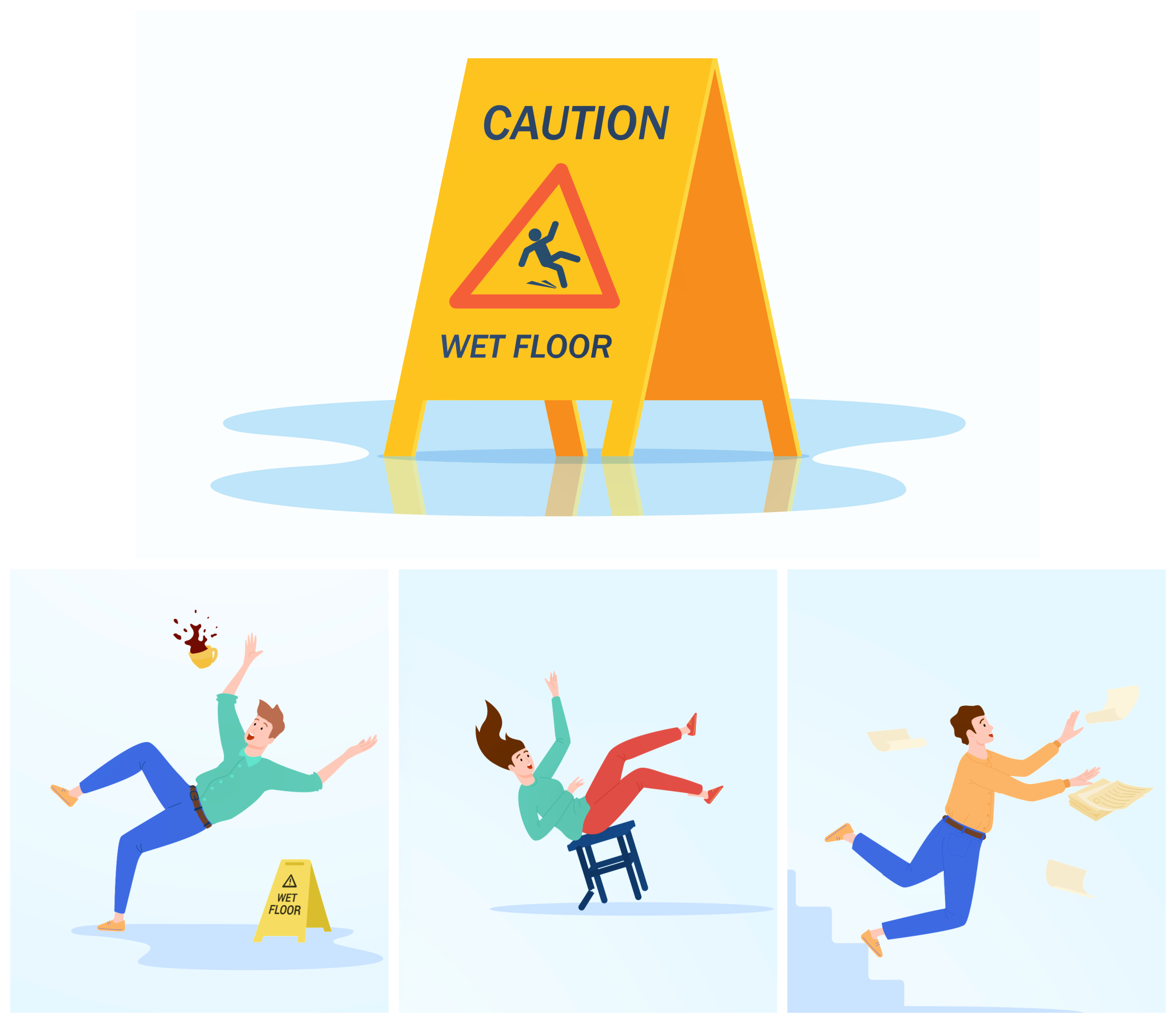
Insurance necessitates a partnership between the carrier and the client. A requirement of most policies is that the client does something to prevent the undesired outcome. This could be safety training, changes in childcare policy or signs to warn of wet floors.
In addition, disaster recovery will require actions beyond the scope of insurance.
If a disaster wipes out your building, how will you access your database so you can contact members in this critical time?
Is your important data digitized and backed up?
Do you have an idea where you could meet temporarily if your building is compromised or destroyed? For example, if you operate a food bank, is there a temporary place you could resume your vital work?
How will you operate without the equipment you used to run your office, worship services, IT functions and more?
Some things are easy to overlook. When an important community institution is damaged, local media will inquire. Is there anyone designated to respond to these questions? The community may take to social media to offer assistance. Someone needs to monitor these communications and respond.
“Emergency planning provides a badly-needed head start in the event of a crisis. Those who engage in it have the stuff heroes are made of.”
Identify the top risks
Even the largest and best-funded organizations lack the resources for a thorough, A-to-Z-style disaster plan. The best approach, then, is to consider the events that are most likely. If you’re located in Florida, an earthquake plan should not be a priority. But a hurricane response should be.
In terms of liability, each organization has a unique risk profile:
Do you run a school?
Do you host outside groups?
How many employees do you have?
Do you own a building, or rent one?
How many people occupy your building?
No two organizations are the same. As an emergency planner, your job is to identify the challenges most likely to occur and to make plans to limit risk.
The payoff
Of course we hope we never have to use our emergency plan! No one will be disappointed if it’s never put to the test.
Yet emergency planning can give us a quiet sense of confidence that we are being wise managers of the resources entrusted to us. It silences the late night “what ifs” that can plague leaders.
If a tragedy hits our organization – whether a wildfire or a million-dollar financial hack – our planning is preserving a legacy of good for those who will follow.
GET A FREE INSURANCE CHECKUP
Want to make sure you have appropriate coverage to bounce back from losses and disruptions? Contact us today for a 100% free consultation. You can also call us at 1.866.870.2700.